
the first draft is the deepest
THE DRAMA does everything i hoped it would do // a little bit about MIROIRS NO. 3 and some ranting about genre // MSPIFF 45 kicks off

My goal with this newsletter is to write about new films as they reach general release, along with seasonally appropriate commentary on other cinematic events and interests. This week I’ve got a review of Kristoffer Borgli’s third film The Drama, plus some thoughts about A24, Miroir No. 3, and ongoing discourse about the state of the genre movies.
I TRIED NOT TO WRITE ANY SPOILERS ABOUT THE DRAMA BUT IT’S HARD. The big reveal comes in the first twenty minutes - this is an assault on critics and maybe has something to do with why this excellent movie has 59 on Metacritic. If you actually want my advice, you should go see The Drama tonight, preferably with your fiancé if you have one of those, because it’s a very fun movie and because you are running out of time for it not to be spoiled by cultural osmosis. Then you should come back on Sunday morning and read my review (and also like it, and share it with 3-10 friends, and leave a provocative comment, and then do all of those things to my Letterboxd account, which you should also follow - thanks). But there are still technically no spoilers, so go ahead and read it today if you want to.
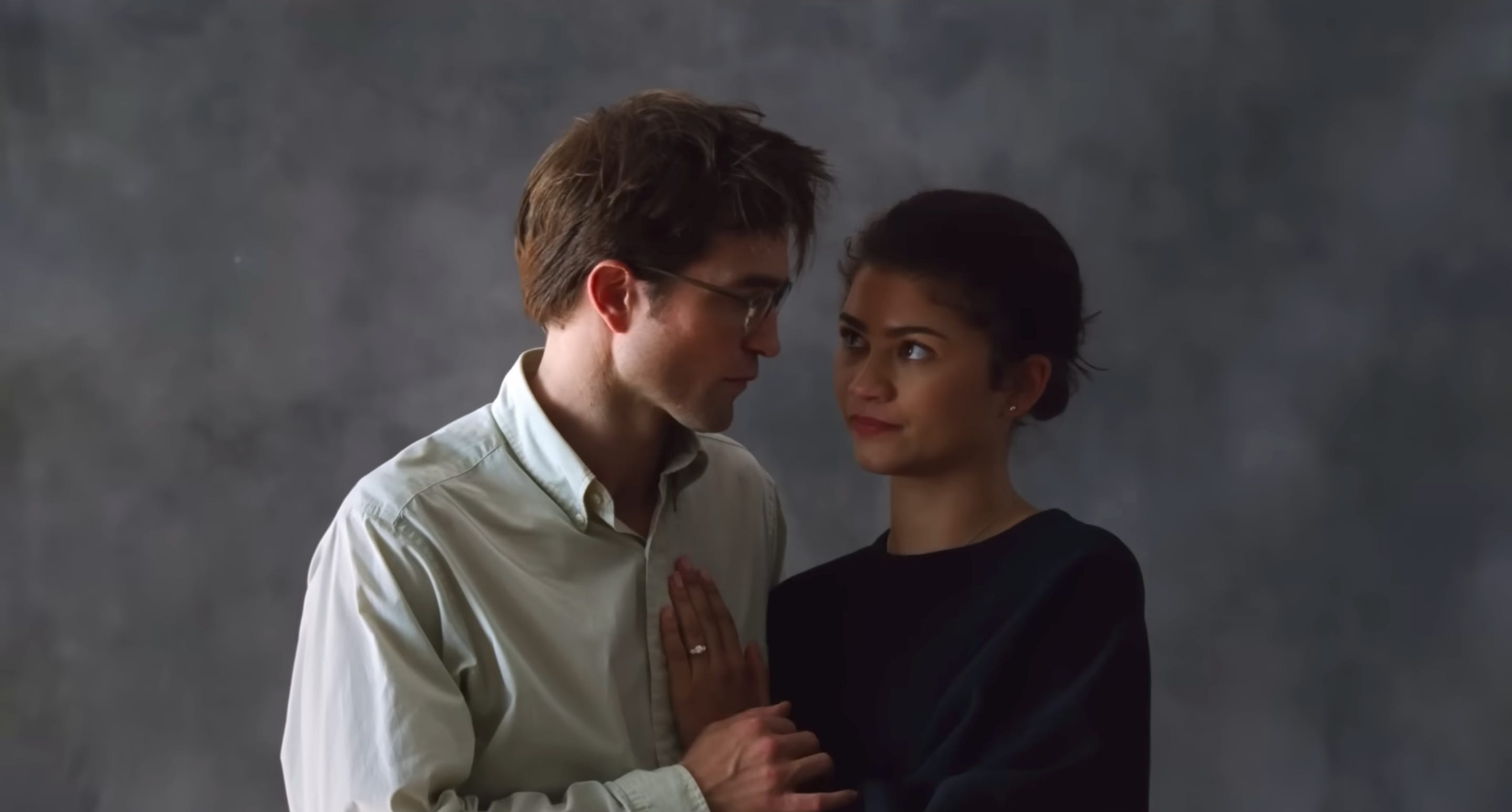
I spent most of the night before The Drama lying awake in bed, worrying about what was going to happen as if I was actually at risk of calling off my marriage to Zendaya.1 I knew the central premise - bride-to-be reveals something to her fiancé in the “what’s the worst thing you’ve ever done?” game that threatens to ruin their wedding - but I couldn’t think of a secret shocking enough to hold up a 100-minute movie. I’m familiar with Kristoffer Borgli’s capacity for body horror and social sadism, and I’ve admired the chaotic power of the “what’s the worst thing you’ve ever done?” game ever since Dostoevsky introduced it to me in The Idiot. But even the best social manipulators struggle to land this sort of operation. The narrative juice springs from the depths you spiral into prior to the reveal, and the actual thing never lives up. Sins are either banal or disgusting, and both of those are boring.
Not to equate Borgli to Dostoevsky, but I think he’s pulled it off. After three uninteresting answers from Mamoudou Athie, Alana Haim, and Robert Pattinson, Zendaya drops a secret good enough to blindside 95% of the moviegoing population. It will make 20% want to leave the theater and another 20% roll their eyes at another Euro-trash provocation. But for the 55% who stick with it, the remaining hour and fifteen minutes of The Drama is the best kind of romcom, a comedy of manners that wonders if love can bloom in a previously unconsidered situation that suddenly feels possible.
From start to re-start to finish, The Drama is a movie about second chances. It starts with Robert Pattinson in a coffee shop testing out a series of meet-cutes, jumping between them with no clear distinction between what’s in his head and what’s actually happening. When it’s clear that his muddled head has finally botched it, Zendaya turns to him and cuts the crap. “Do you want to try again?” she asks. Her willingness to start fresh sets the tone. As Borgli follows the familiar beats of a disaster-wedding comedy (mean choreographer, evil bridesmaid, problematic DJ), he repeatedly cuts between false starts, dreams, and panic attacks, grafting his audience into his characters’ uncertain heads. It’s a perspective trick that dominates his second film, Sick of Myself, but he’s dialed it back here, stepping away from obvious fantasy sequences and letting the muddle flicker through the editing without putting on a show. The cloying and the painful and the horrific flit by with no clear indicators of what’s real and what’s imagined. There are no divergent timelines or multiverses - the reality is both what’s actually in front of you but also all the spiraling possibilities that determine what that reality means. As they process their future together, Zendaya and Pattinson are forced to either forgive the dark thoughts that undergird their shared reality or consign themselves to the superficial surfaces above the carnage.
The result is one of the more empathetic treatments I’ve seen of a topic that’s desperately in need of some grace. It empathizes with Robert Pattinson, who is suddenly stuck in the situation of knowing something horrible about the person he is pretty sure he still loves - but also with Zendaya, who is doing her damnedest to live her life despite having fucked up in a way that goes so far beyond the pale that most of us can’t imagine what forgiveness could possibly look like. It presents as a smirking subversion but somehow ends up an actual romantic comedy, a film about love that cares about its characters enough that it truly wants them to make it.
That it accomplishes all of this and also features two top-of-their game movie stars, as well-styled and beautiful as they’ve ever been, living in a perfectly dressed aspirational apartment, shot on 35mm and backed by good music, makes The Drama into about as good time at the movies as you could ask for in April. If you’re keeping track, we’ve got a (1.) pretty intelligent, (2.) visually captivating, (3.) quite funny, (4.) 90-ish-minute (5.) romantic comedy (6.) starring two of the most famous people on the planet who are (7.) genuinely great actors that (8.) gives you something to talk about over drinks after you’re done. What more do you want?
I’m not particularly passionate about the future of the romantic comedy, but if I’m looking for anything from this genre, it’s the ability to say something new about love while continuing to celebrate its enduring existence. I’m sympathetic to anyone who gets twenty minutes into this movie and finds it completely untenable. But if you’re able to allow a fictionalized account of a bad, bad thing into a cute comedy about beautiful people, you might come to the conclusion that life is actually a whole lot cuter than you give it credit - that the world can be as miserable a place as your anxious brain thinks it is, and that people still love each other in spite of it. As another anxious lover in another Euro-edge 2026 romcom says, isn’t that the whole point, of everything? I want to be a hater, but unfortunately I think he’s right.
Every time a genre movie comes along I feel obligated to return to my perennial bugaboo of “is the [generic beloved film genre] dead?” discourse. The romantic comedy is probably the most broadly proclaimed-dead genre, and I’ve already harped at length that I think this is Not True. The Drama, a reasonably successful romantic comedy starring two extraordinarily famous people, is only the latest instance of this reality. Romcoms aren’t dead -they’re just different, and that’s OK.
I think what people actually mean when they say things like this is that they don’t like A24 and miss the days of big, smooth-brain studio films. There are elements of nostalgia, conservatism, susceptibility to fascism, etc. in this, but more than anything I think what everyone is saying is that they really like genre - and that they like it because it gives them exactly what they expect, and tell them exactly how they’re supposed to feel, before they’ve even entered the theater.
More than anything, genre tells us, without complication, how a movie is going to end. We like this, because we watch movies to regulate our moods, which are often kind of a mess. A romantic comedy is going to end with two people getting together, which makes us happy. An action movie is going to end with a good guy defeating some bad guys, which makes us excited. A slasher movie might have a tricky ending, but its going to lead us through a predictable series of kills that will ultimately make us feel relief. An A24 movie (by which I don’t mean literally a movie released by the studio A24, but a millennial-coded middlebrow movie that toys with genre conventions, seems to make some sort of point, and gets critical attention without any serious awards buzz) denies you that certainty, and that feels weird.
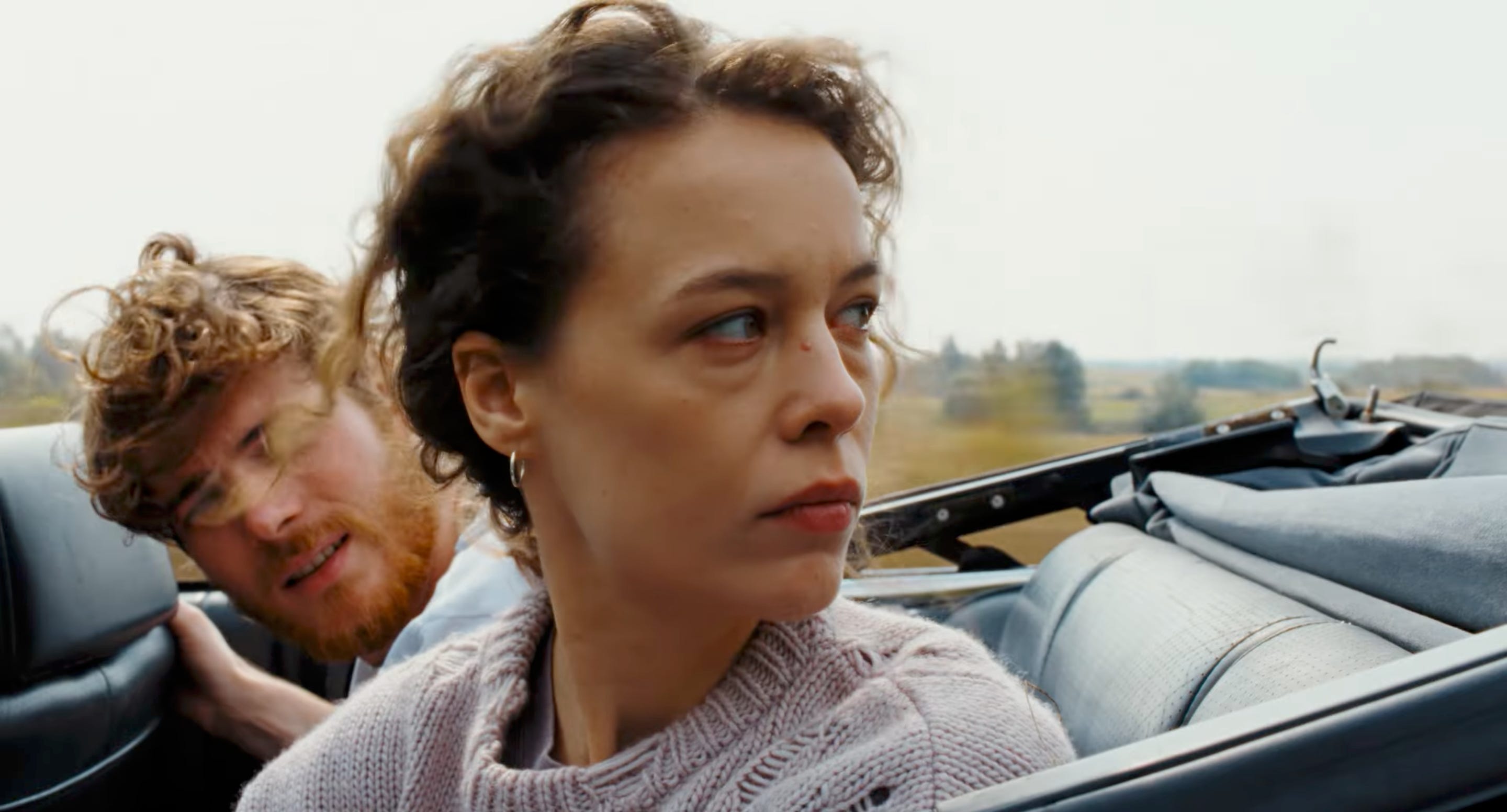
I’m not universally opposed to A24 movies, but I do find genre subversion somewhat tiresome - not because I adore clear expectations, but because genre subversion by its nature reaffirms the need for genre’s existence. In other words, genre continues to control the narrative of a movie that bases all its decisions on defying those expectations. It’s much more exciting when a movie ignores the template altogether. I recently experienced this watching Christian Petzold’s Miroirs No. 3., a fairly inscrutable film about the aftermath of a car crash in the German countryside. About thirty minutes in, I realized that not only did I not have the foggiest idea what the movie was about, I also had no idea how it was making me feel. It was pitched to me as a Vertigo-esque thriller, but the guy in the back row of my theater was laughing uproariously every other minute at things that weren’t funny and two people on the other side were cuddling like it was a romance. For my part, I found myself being gently lulled to sleep. Petzold, who is not someone I’ve spent much time with but is a somewhat famously austere director, only gives us simple framings, diagetic sound, flat dialogue, and shot-reverse-shot conversations about not a whole lot of anything. There’s a mystery at the core of the movie and as far as I can tell it never gets solved. I can imagine at least twenty ways one could read the ending, and I don’t have any idea which of them, if any, Petzold wants us to accept.
I didn’t particular enjoy Miroirs No. 3, but I admire that it really doesn’t care how I take it. It runs past my eyes and doesn’t tell me to do a damned thing. I could feel elated, I could feel broken, I could feel something that can’t be described or spoken. If a movie like this wants anything, its for you to pay attention to something long enough that you start to notice what it does to you. Boredom is a perfectly acceptable response.
I don’t think I have a thesis here, other than that movies are in a chaotic place right now where every bit of evidence that suggests an obsession with genre convention is counteracted by evidence that we’re more interested in blowing those conventions to bits. Cinematic materialism in all its forms - Italian Neorealism, Bressonian Transcendentalism, Berlin School, Iranian docufiction, Slow Cinema, Dogme 65, cinema vérité, whatever - has always been the antidote to this discourse. If you’re tired of A24 movies ruining your hopes for a tidy outcome, consider taking a genre cleanse and trying out Miroirs No. 3. There’s a great chance you’ll be bored and unsatisfied. But maybe there’s some relief in that? Life, after all, is *disappointing*. We should probably accept it and get used to it.
The 45th annual MSPIFF is underway! *life is disappointing* has received its first official press pass - we’re moving on up in this world. I made it out to The Christophers Thursday night but was way too sleepy to stick around for Exit 8. Lots more to come this weekend, including the premiere of Uncle Roy, the Twin Cities arrival of the much beloved Blue Heron, and an appearance from legendary cinematographer Dean Kundey. Did you know that he shot both The Thing, probably one of the best movies ever made about snow, and The Holiday, probably one of the worst? D.P.s contain multitudes. I’ve never raised my hand at a Q&A but maybe I’ll give it a shot and ask about that. All of that and more next week.
To be clear, I sleep really poorly on vacation - I’m not usually kept up at night by movie trailers.